
2 hr 30 min
Szemlő-hegyi & Pál-völgyi Caves Guided Tour
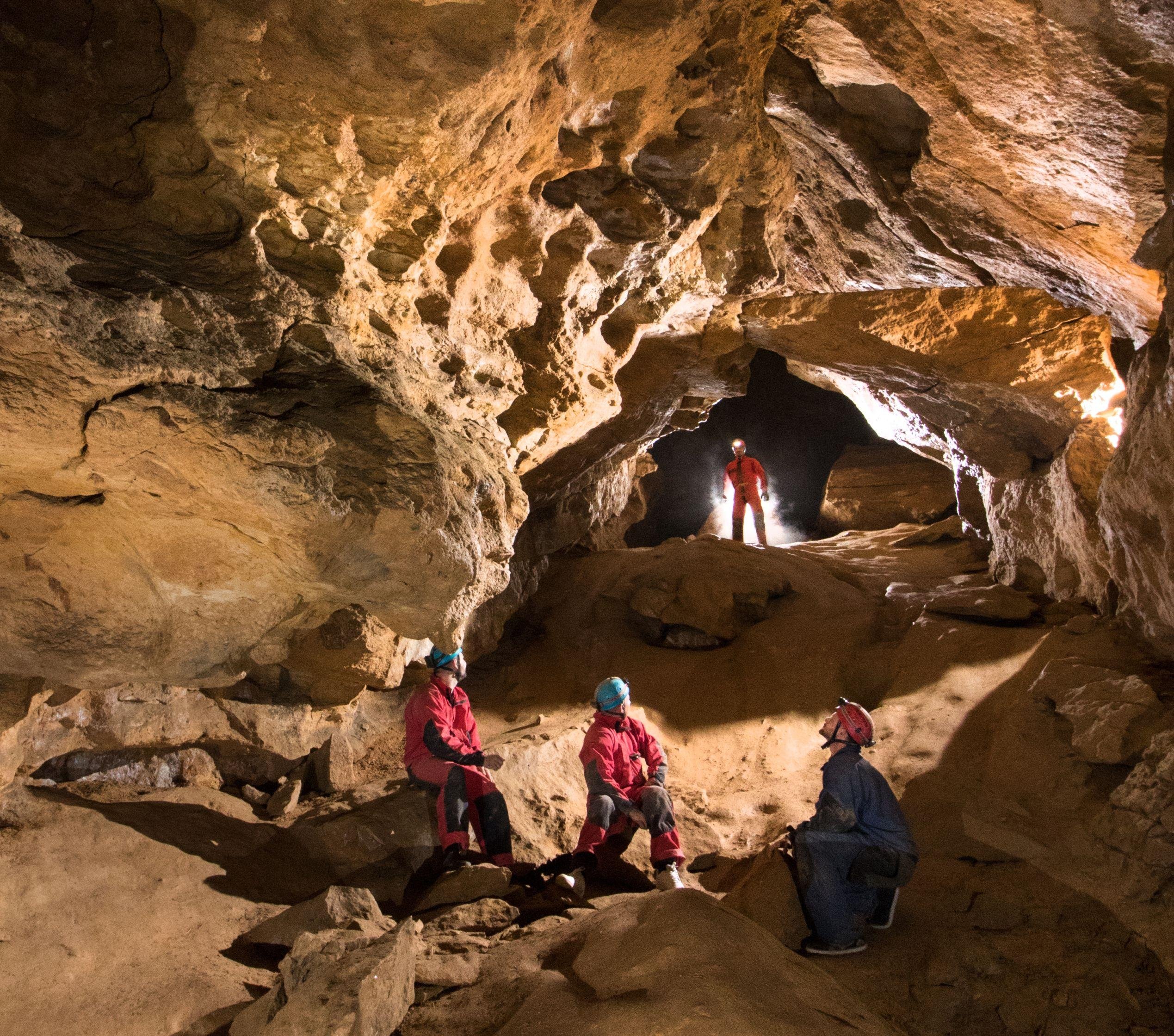
Descend into Budapest's hidden underworld with expert cavers through two remarkable limestone cave systems.
Reserve
Hand-picked by our editors — only the best 5 cave experiences from 22 reviewed.
Verified partners for every tour, free cancellation where available, and instant confirmation on every booking.
2 hr 30 min
Descend into Budapest's hidden underworld with expert cavers through two remarkable limestone cave systems.
Reserve
2 hr 10 min
Venture beneath Castle Hill into a labyrinth where natural limestone meets centuries-old cellars
Reserve
3 hr
Descend into Hungary's most extensive subterranean network for a thrilling crawl through thermal caverns
ReservePrices from verified partners. Availability updates in real time at checkout. Free cancellation policies apply where shown.
The landmarks, rooms, and views travelers on this tour remember — all visible on a single visit.
Known as the underground flower garden, it features unique cauliflower and popcorn-like mineral formations.
This space is famous for its natural acoustics, which create impressive echo effects during your visit.
A tall, spacious section of Pál-völgyi Cave showcasing dramatic geological dissolution features.
Marvel at the glittering calcite formations found throughout the deeper passages of the system.
Located at Szemlő-hegyi, this exhibit covers thermal karst formation and local cave rescue history.
These sites offer distinct underground experiences, with the Hospital in the Rock providing a focused human history narrative while the natural caves feature geological formations. Visitors seeking geological exploration often choose the natural systems, while those interested in 20th-century history prefer the bunker museum.
| Feature | Top pick Szemlő-hegyi & Pál-völgyi | Hospital in the Rock |
|---|---|---|
Nature of site |
Geological formation | |
Primary interest |
Natural rock structures | |
Physical difficulty |
Moderate walking | |
Time commitment |
1 hour | |
Historical context |
Natural evolution | |
Accessibility |
Stairs and uneven terrain | |
| See tickets → |
Verdict: Securing budapest hospital cave tour tickets for the bunker museum is ideal for history enthusiasts, whereas natural cave tours cater to those fascinated by subterranean earth science.
Choose your ticket, select your date, and reserve in under two minutes. Secure checkout handled by our verified partner.
Instant confirmation by email, with a mobile voucher you can save offline. No printing, no queuing at a collection desk.
Arrive at the entrance, show your voucher on your phone, and walk in. Most tickets include priority or skip-the-line access.
Practical details for your visit straight from our verified partners — hours, access, rules, and how to get there.
1025 Budapest, Pusztaszeri út 35
Main ticket office access point.
Take from Kolosy tér to Pál-völgyi cseppkőbarlang.
Take from Szentlélek tér to Szemlő-hegyi-barlang stop.
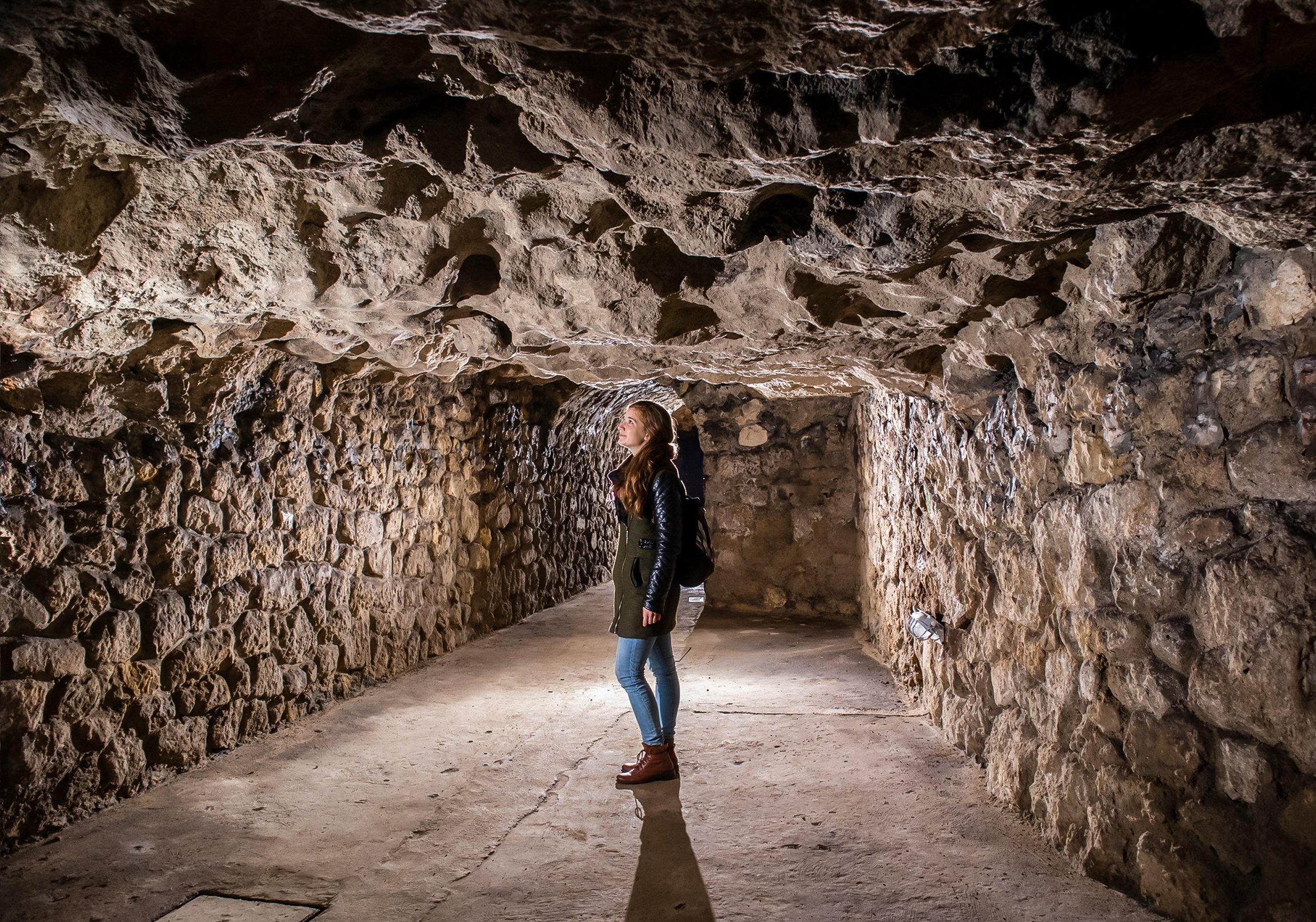
Casual clothing is fine, but please wear sturdy, closed-toe walking shoes as the terrain can be uneven. The caves maintain a constant temperature of 11–12 °C, so bring a sweater or jacket even in summer.
Standard backpacks are permitted, though large luggage may be difficult to navigate in the narrow passages. Keep belongings secure during your budapest hospital cave tour.
Photography is generally permitted for personal use, though flash can be disruptive in sensitive areas. Always follow guide instructions regarding where cameras are allowed during your budapest hospital cave tour.
Szemlő-hegyi Cave offers wheelchair and stroller access on paved paths. Pál-völgyi Cave features 400 steps and a ladder, making it unsuitable for those with limited mobility.
Mobile phones are permitted for photos, but please keep them on silent mode. Using your phone to access digital guides is helpful during a budapest hospital cave tour.
Children must be at least 5 years old and 115 cm tall for Pál-völgyi Cave tours. Szemlő-hegyi Cave is more suitable for younger children, provided they can manage the walking portions.
Consumption of food and drinks is not permitted inside the caves. Please enjoy snacks in the designated areas outside after your budapest hospital cave tour.
Pets are strictly prohibited inside the cave systems. Service animals must be cleared with management prior to your visit.
Guided tours are standard for safety and education. Check the official site https://www.dunaipoly.hu for language-specific schedules for your budapest hospital cave tour.
1025 Budapest, Pusztaszeri út 35
Main ticket office access point.
Get directions1025 Budapest, Szépvölgyi út 162
Meeting point for Pál-völgyi guided sessions.
Get directionsBest time to go, insider tips, nearby landmarks, and the cancellation fine print — flip through to skim what matters to you.
How crowds, weather, and events shift across the year.
Mild temperatures make the 20-minute walk between sites pleasant. Less crowded than peak summer.
Expect more tourists; booking ahead for these budapest hospital cave tour slots is highly recommended.
Cool weather is perfect for visiting, with crisp air for the outdoor transit sections.
Cave climate remains constant at 11–12 °C, providing a warm escape from freezing city streets.
Small details that turn a good visit into a great one.
Purchase a combined ticket to save money on both caves during your budapest hospital cave tour.
Secure your budapest hospital cave tour tickets early, especially during peak summer months.
Skip the sandals; proper hiking or sports shoes are required for your budapest hospital cave tour.
Dress in layers to adjust to the temperature shift during a budapest hospital cave tour.
The last slot for a budapest hospital cave tour is at 15:00; don't be late.
Download the audio guide app before starting your budapest hospital cave tour for a richer experience.
Register at the ticket office at least 10 minutes before your scheduled budapest hospital cave tour.
Prepare for 400 steps at Pál-völgyi when planning your budapest hospital cave tour itinerary.
Non-bookable sights within a short walk — free to visit, easy to pair.
Elegant neighborhood offering scenic walks and city views.
Extensive green space for hiking and local exploration.
Ancient Roman ruins located nearby in District III.
Historic thermal bath fed by the same karst water system.
Flexible, no hidden fees.
Full refund available for cancellations made at least 24 hours in advance. Please refer to your booking provider for specifics regarding the 3,900 HUF entrance fee.
Hand-picked options within walking distance — pick a district for vibe, or a specific hotel for convenience.
Convenient local residential housing near the caves.
Close to transport links and major landmarks.
High-end stay with easy access to the hills.
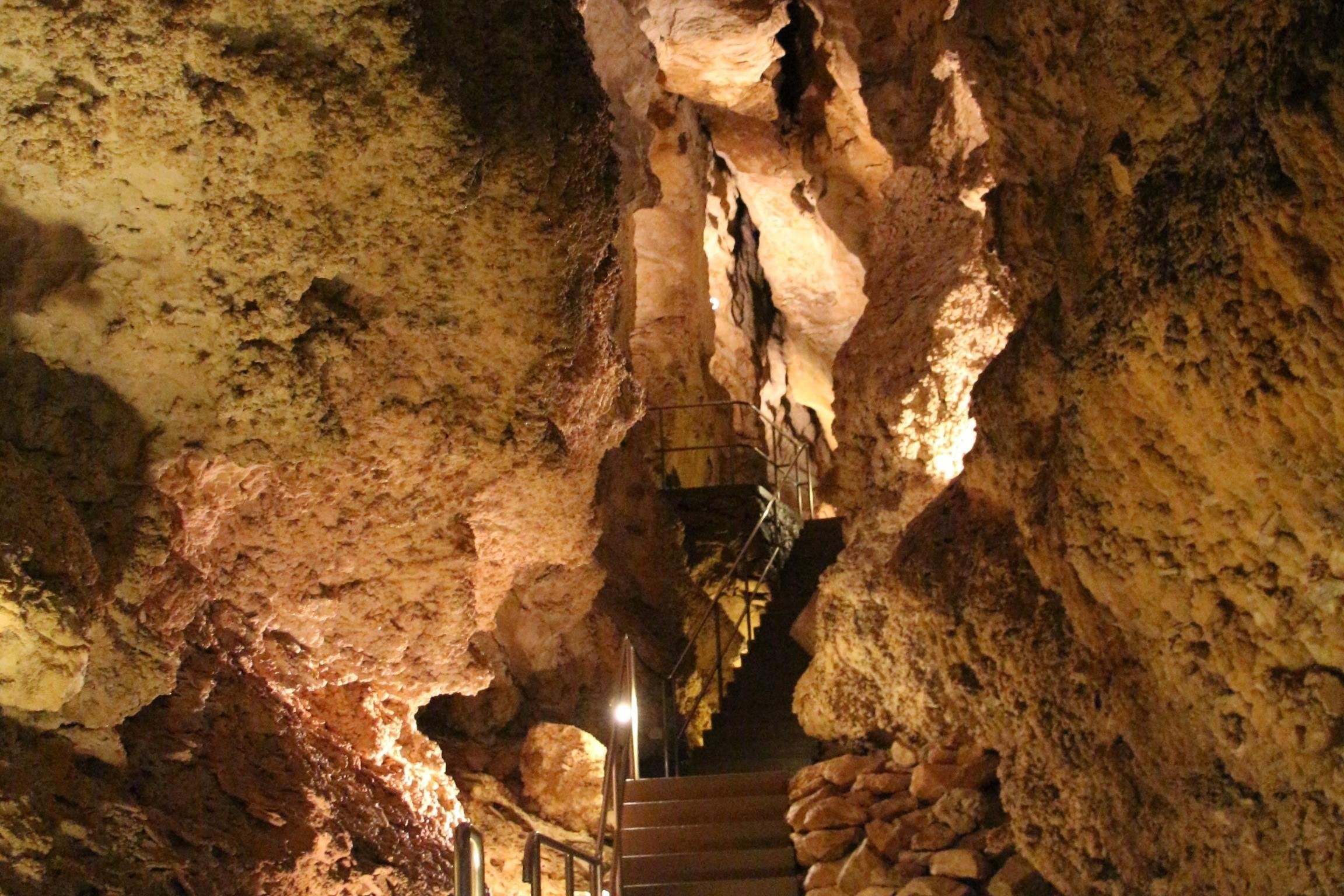
Between 1944 and 1945, surgeons operated on wounded soldiers 25 metres below the Buda Hills, shielded by dolomite walls that had been drawing tuberculosis patients since the 1930s. The Szemlő-hegyi Cave, discovered in 1930 during quarry work, was transformed into a respiratory sanatorium within four years. Its constant 12°C temperature, 95 per cent humidity, and mineral-saturated air offered relief to patients with chronic bronchial conditions long before antibiotics became widely available. During the Siege of Budapest, hospital staff relocated equipment into the cave's natural chambers, treating hundreds of civilians and military personnel in improvised wards lit by kerosene lamps. Today, guided budapest hospital cave tour visits lead groups through the same passages, now fitted with electric lighting and steel walkways that preserve the flowstone formations. The Pál-völgyi Cave, part of the same karst system, stretches more than 30 kilometres beneath the hills, making it the longest cave network in Hungary. Speleologists continue to map new passages each year, adding sections to a labyrinth that formed over two million years as thermal water dissolved the Triassic limestone. The two caves sit less than 500 metres apart, separated by a thin wall of rock that cavers hope one day to breach. Both retain the popcorn-textured aragonite crusts and needle-thin stalactites that gave the Szemlő-hegyi Cave its reputation as one of Europe's most mineralogically diverse underground sites. Visitors to the thermal cave system descend via 400 steps, following routes first mapped in the early 20th century by István Lénárt and other Hungarian cavers who documented the chambers' unusual climate. The air inside remains saturated year-round, a microclimate that once drew patients from across Central Europe to inhale the radon-laced vapour prescribed by sanatorium physicians. While the medical use of the caves ended in the 1980s, the same atmospheric conditions that attracted speleotherapy patients now support rare microbial mats and cave-adapted invertebrates studied by researchers from Eötvös Loránd University. The hospital cave tour routes wind past alcoves where iron bedframes once stood, their outlines still visible on the damp stone, and through galleries where the walls bloom with gypsum flowers that grow a fraction of a millimetre each decade.
"Surgeons operated 25 metres below the Buda Hills, shielded by dolomite walls that had drawn tuberculosis patients since the 1930s."
A step-by-step walkthrough of the visit — what you'll see, how long each stage takes, and the details that matter.
You arrive at Pusztaszeri út 35 in the residential Buda Hills, where a modest entrance building marks the Szemlő-hegyi Cave. After collecting your ticket, you follow your guide down a concrete staircase that cuts through successive layers of limestone, each step taking you deeper into the constant 12-degree chill. The air thickens as you descend, carrying the mineral scent of wet rock. At the base of the 400 steps, the passage opens into the first chamber, its ceiling crusted with aragonite formations that resemble popcorn frozen mid-burst. Your guide gestures toward alcoves carved into the walls, explaining how hospital beds were arranged here during the 1944 siege, when daylight never reached the patients. You move through a narrow corridor where steel railings guide you past flowstone draperies, their surfaces damp under the cave's perpetual humidity. The tour pauses at a gallery fitted with wooden benches, remnants of the sanatorium era when visitors sat for hour-long inhalation sessions. Your guide points out the ventilation shafts drilled in the 1930s, now sealed but still visible as dark circles high on the chamber walls. The route curves back toward the exit, climbing gradually through passages where gypsum needles protrude from crevices, their growth measured in decades. You emerge into daylight after an hour underground, blinking at the sudden brightness, the damp chill of the cave still clinging to your jacket.
The caves are open Tuesday–Sunday, 10:00–16:00. Please note that Mondays are closed.
Pál-völgyi Cave requires children to be at least 5 years old and 115 cm tall; Szemlő-hegyi is more flexible but still requires supervision.
Prohibited items include sandals, smoking materials, lighters, and heavy backpacks to ensure safety during your budapest hospital cave tour.
Advance booking is highly recommended, especially on weekends and holidays, to guarantee your budapest hospital cave tour slot.
Yes, personal photography is permitted during your budapest hospital cave tour, but please avoid using flash in sensitive areas.
Wear comfortable, closed-toe walking shoes and bring a jacket, as the caves remain a constant 11–12 °C during your budapest hospital cave tour.
No, food and beverages are not allowed inside the cave systems during your budapest hospital cave tour.
You can reach the locations using bus 65 for Pál-völgyi or bus 29 for Szemlő-hegyi from Kolosy tér.
Szemlő-hegyi is wheelchair accessible, while Pál-völgyi involves 400 steps and a ladder, making it inaccessible for those with limited mobility.
Cancellations for your budapest hospital cave tour are generally accepted with 24 hours notice for a full refund of the 3,900 HUF entry fee.