
2 hr 10 min
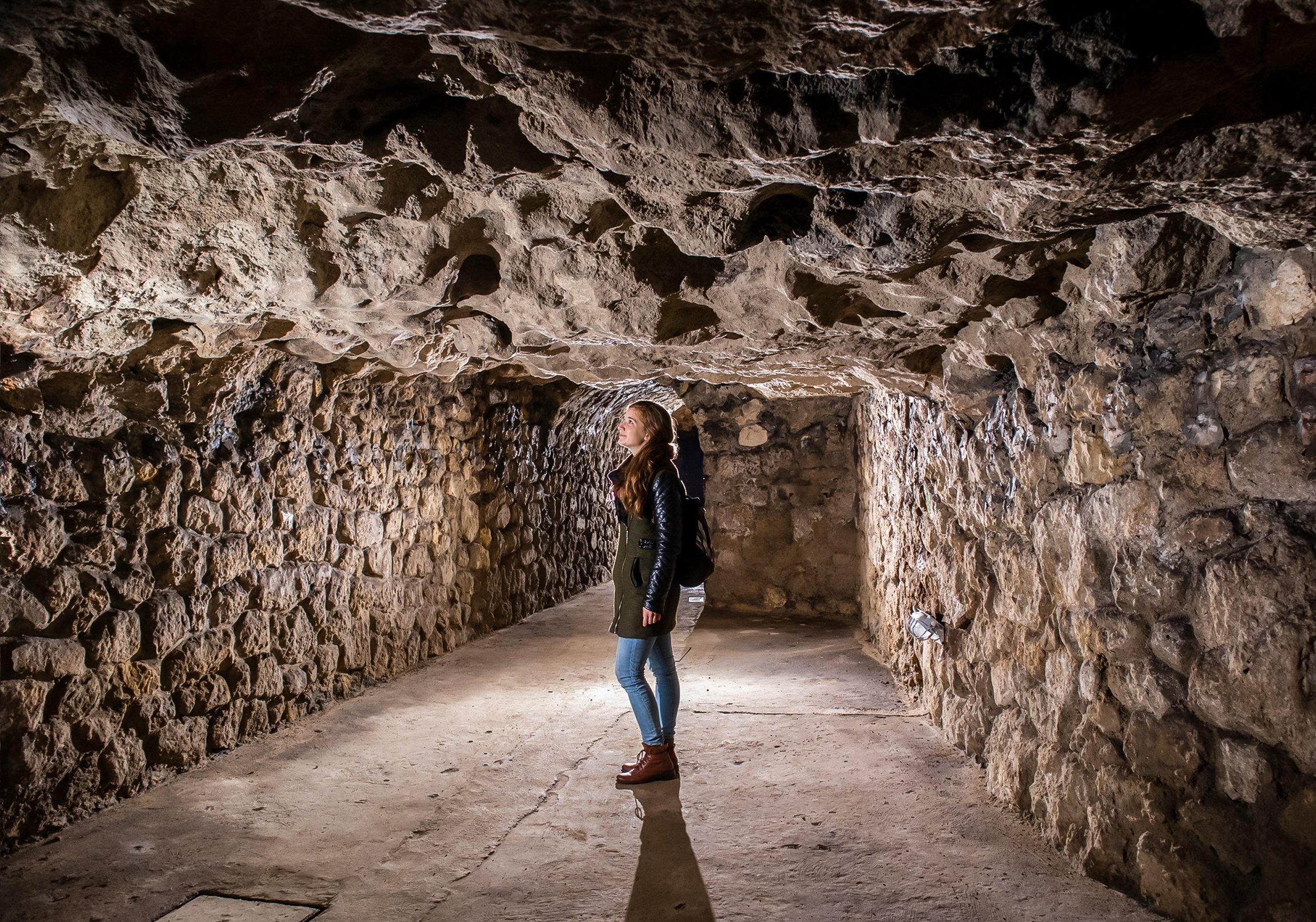
Buda Castle Underground Cave Adventure
Journey beneath Castle Hill through limestone caverns and centuries-old cellars on a guided subterranean expedition
Reserve
Hand-picked by our editors — only the best 5 cave experiences from 47 reviewed.
Verified partners for every tour, free cancellation where available, and instant confirmation on every booking.
2 hr 10 min
Journey beneath Castle Hill through limestone caverns and centuries-old cellars on a guided subterranean expedition
Reserve
2 hr 30 min
Discover Budapest's hidden underground world with expert cavers on a journey through two spectacular cave systems.
Reserve
3 hr
Navigate Hungary's most extensive underground labyrinth through climbing, crawling, and exploration
ReservePrices from verified partners. Availability updates in real time at checkout. Free cancellation policies apply where shown.
The landmarks, rooms, and views travelers on this tour remember — all visible on a single visit.
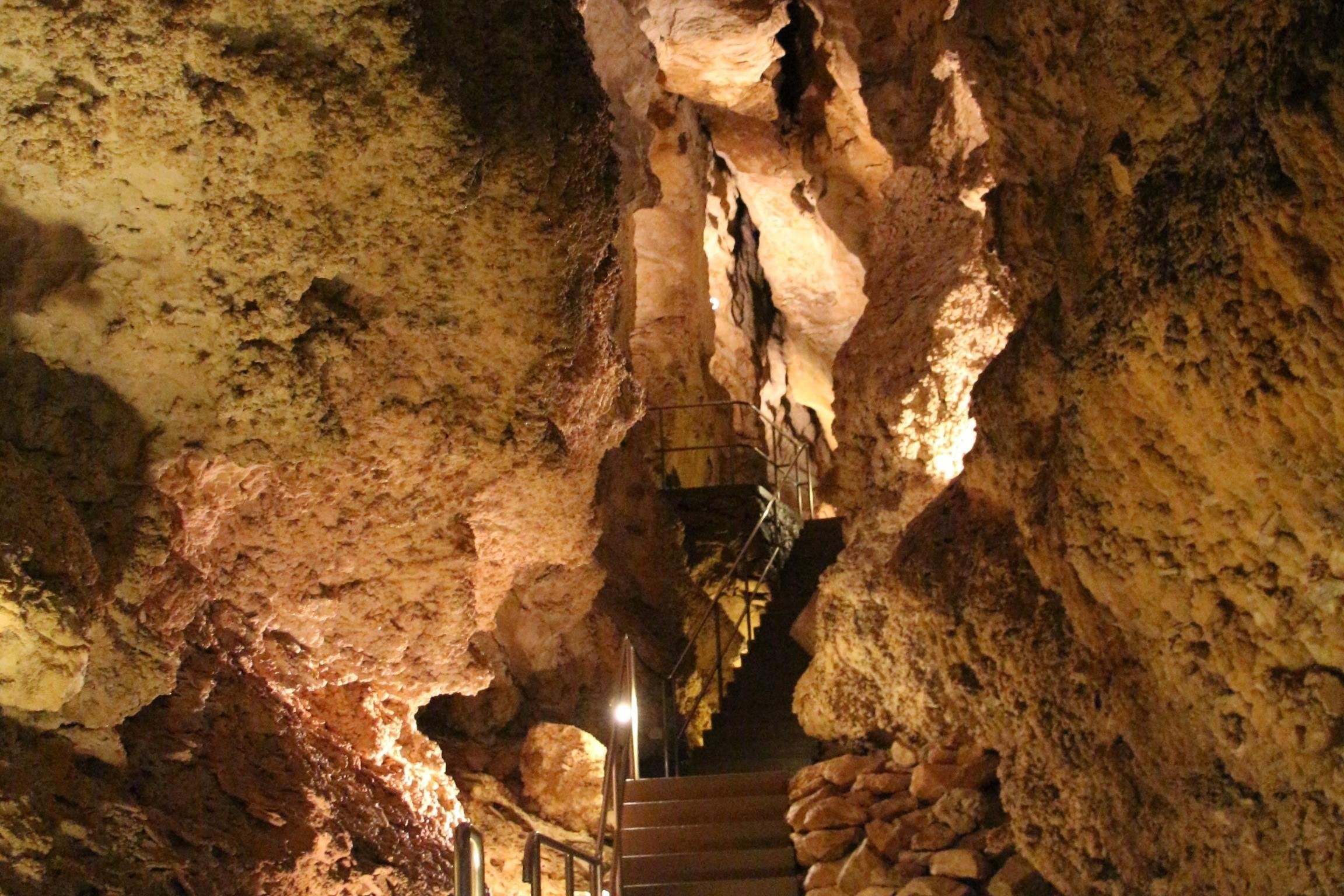
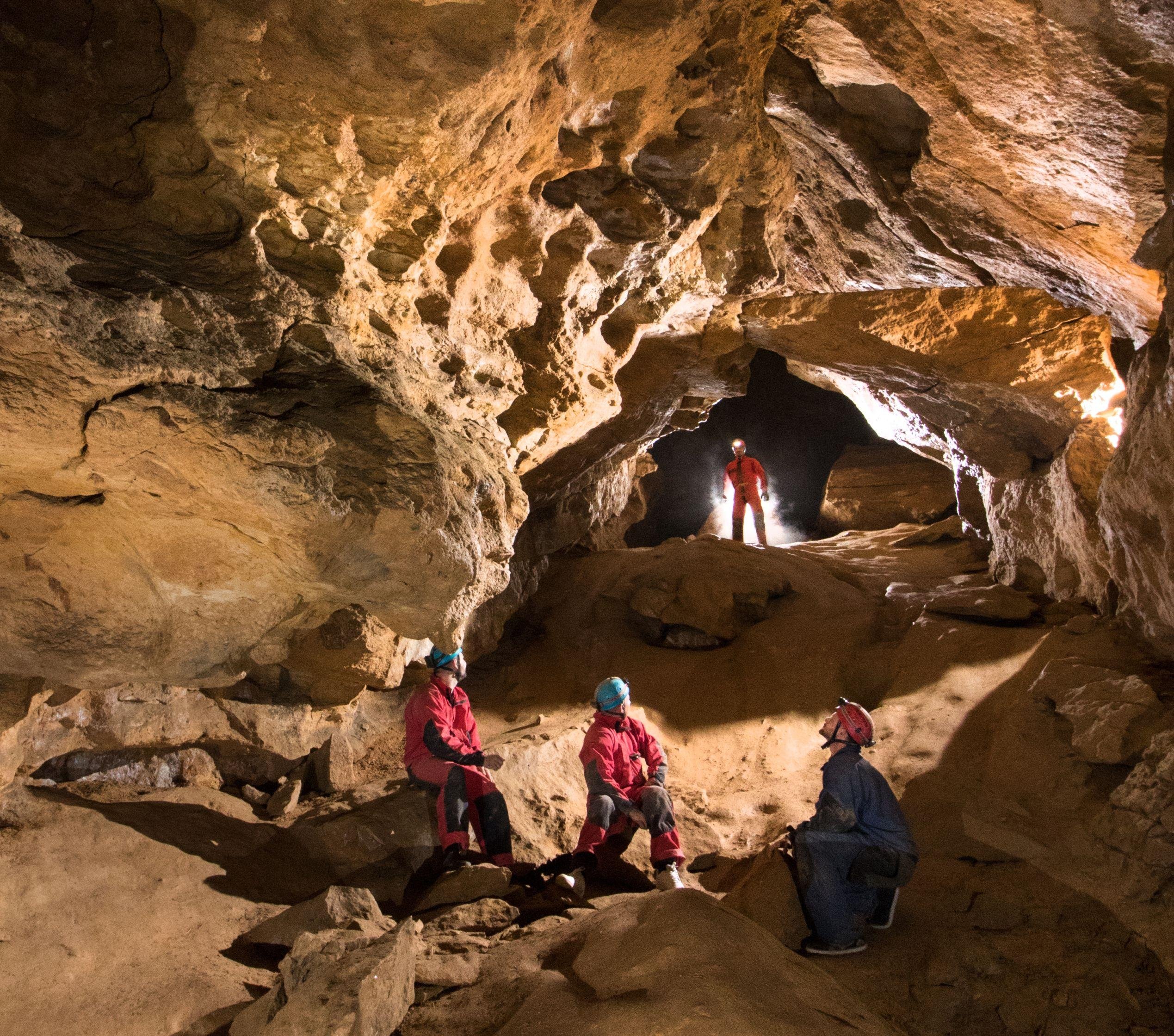
Intricate rock structures formed by thermal water activity over millennia. These unique shapes define the geological identity of the site.
The Castle District system offers a deeper dive into wartime heritage, while the northern caves provide a superior exploration of natural karst formations. Most visitors who prioritize geological wonder find the Pál-völgyi and Szemlő-hegyi sites more compelling.
| Feature | Top pick Northern Karst Caves | Buda Castle Underground |
|---|---|---|
Location |
District II (Outskirts) | Buda Castle District |
Primary Interest |
Geological formations | Historical underground shelters |
Accessibility |
400 steps | Varied terrain and stairs |
Terrain Difficulty |
Moderate to challenging | Easy to moderate |
Geology vs History |
Natural limestone and crystals | Man-made tunnels and cellars |
Available Passes |
budapest castle cave tour tickets | Combined castle museum entries |
| See tickets → |
Verdict: Choose the Buda Castle Underground if you seek WWII history, or select these budapest castle cave tour tours for a focus on subterranean mineral landscapes.
Choose your ticket, select your date, and reserve in under two minutes. Secure checkout handled by our verified partner.
Instant confirmation by email, with a mobile voucher you can save offline. No printing, no queuing at a collection desk.
Arrive at the entrance, show your voucher on your phone, and walk in. Most tickets include priority or skip-the-line access.
Practical details for your visit straight from our verified partners — hours, access, rules, and how to get there.
Pusztaszeri út 35
Main visitor entrance
Take bus 29 or 65 to reach the vicinity of the caves. Buses run frequently from central hubs to the Buda side.
Parking is available near the entrance of both sites. Use navigation for Pusztaszeri út or Szépvölgyi út respectively.
Sturdy, non-slip footwear is essential for navigating the terrain of a budapest castle cave tour. The underground environment maintains a constant cool temperature, so bring a light jacket even during the summer.
Large backpacks and bulky gear should be avoided as they may be difficult to manage in narrow passages. Security staff may request to inspect personal belongings before you begin your budapest castle cave tour.
Handheld photography is generally permitted during the budapest castle cave tour, provided you do not disrupt the group. Tripods and professional lighting equipment require prior authorization.
Due to the natural formation of these limestone caverns, they are not wheelchair accessible. Visitors must be comfortable navigating 400 steps throughout the excursion.
Mobile phones are permitted for communication and photos, but please keep them on silent mode. Signal reception is limited inside the caves.
Children are welcome on a budapest castle cave tour provided they can navigate the uneven paths independently. Parental supervision is required at all times due to the cave's delicate ecosystem.
Consumption of food and beverages inside the caverns is strictly prohibited. Keep all items sealed in your bag until you have exited the site.
No animals are allowed within the cave systems. Service animals must be cleared with the management prior to your arrival.
As part of the Duna-Ipoly National Park, these sites represent fragile geological landmarks. Always stay on the marked paths during your budapest castle cave tour.
Best time to go, insider tips, nearby landmarks, and the cancellation fine print — flip through to skim what matters to you.
How crowds, weather, and events shift across the year.
Cave temperatures remain at roughly 10-12 degrees Celsius, offering a cool refuge from the summer heat. Arrive before 15:00 for the best experience.
May and June provide pleasant outdoor weather before the peak summer crowds arrive. Visit during weekday mornings for quieter trails.
September remains mild and is an excellent time for those avoiding summer vacation peaks. Tours run on a regular hourly schedule.
While colder above ground, the caves maintain consistent temperatures. Weekend visitors should plan for slightly higher attendance.
Small details that turn a good visit into a great one.
Purchase a combined ticket to visit both Szemlő-hegyi and Pál-völgyi for a discounted rate.
Plan to arrive by 15:00 to ensure participation in the final tour of the day.
Wear shoes with high grip as the natural rock surfaces can be slippery.
Dress in layers since the humidity and temperature differ significantly from the surface.
Bring a camera capable of capturing low-light settings without a flash.
Non-bookable sights within a short walk — free to visit, easy to pair.
A large recreational island in the Danube featuring gardens and a fountain. Great for relaxing after a cave exploration.
A historic castle complex housing museums and galleries. A central piece of local history.
Flexible, no hidden fees.
Requests for cancellations or modifications must be submitted in accordance with the operator's terms. Tickets are subject to a 3,900 HUF single entry fee per cave.
Hand-picked options within walking distance — pick a district for vibe, or a specific hotel for convenience.
Proximity to the cave system in the quiet Buda hills.
Wide variety of international hotel brands and historic boutique stays.
Szemlő-hegyi Cave holds the highest concentration of calcite rafts in Central Europe — delicate mineral plates that float on underground pools before calcifying into the ceiling. The cave, discovered in 1930 during quarry work on the western slope of Szemlő Hill, stretches 2,200 metres through Triassic limestone laid down 240 million years ago when the Pannonian Basin lay beneath a shallow sea. Thermal water rising from tectonic fractures carved the passages over two million years, depositing the popcorn-textured aragonite that now coats the walls in a crust resembling frozen cauliflower. Pál-völgyi Cave, three kilometres north, extends 31 kilometres into the Buda Hills — the longest cave system in Hungary and the second-longest thermal cave on Earth. Cavers mapped the first passages in 1904, but the full extent remained unknown until a 1980s expedition connected it to the neighbouring Mátyás Hill system. The cave's upper galleries remain above the water table, preserving fossils of Miocene-era molluscs and the bone fragments of Pleistocene mammals that fell through vertical shafts during the last ice age. The Radium Hall, named for the radon-rich air once prescribed as respiratory therapy, sits 60 metres below street level and maintains a constant 11°C year-round. Both caves served as air-raid shelters during the Second World War and as wine cellars in the 19th century, before speleologists recognised their scientific value. The Hungarian Cave Rescue Service now monitors the passages, and conservation lighting installed in 2014 prevents algae growth while illuminating the scalloped rock where ancient currents sculpted the limestone. Guided budapest castle cave tour experiences run hourly through both systems, with routes designed to showcase the contrasting formations — Szemlő-hegyi's mineral blooms and Pál-völgyi's vertical chimneys. The Buda Castle district above the caves sits on the same karstic plateau, its cellars and tunnels forming a shallow counterpart to the deeper thermal network. Speleotherapy clinics operated in Szemlő-hegyi until 2008, treating asthma patients in the saturated air of the lower chambers. Today the caves remain among the few thermal systems accessible without caving equipment, their reinforced passages fitted with handrails and non-slip grating to accommodate the 400-step descent into the hills.
"The highest concentration of calcite rafts in Central Europe floats in Szemlő-hegyi's underground pools before calcifying into the ceiling."
A step-by-step walkthrough of the visit — what you'll see, how long each stage takes, and the details that matter.
You meet your guide at Pusztaszeri út 35, where the Szemlő-hegyi entrance sits behind a modest concrete portal built into the hillside. The temperature drops five degrees as you descend the first flight of metal stairs, and the air takes on the mineral taste of wet limestone. Your guide pauses at the Rose Garden, where coral-like aragonite clusters branch from the walls in rusty ochre and cream, then leads you through a low passage to the calcite raft pool — paper-thin mineral sheets floating on still water, lit from below. The route continues down 400 steps through passages no wider than a Metro tunnel, the ceiling scalloped smooth by water that drained two million years ago. At the deepest point you stop in a chamber the size of a small theatre, its walls coated in popcorn calcite that muffles every sound. The guide switches off the lights for thirty seconds so you can feel the absolute dark of a sealed cave system. If you book the Pál-völgyi tour, the experience shifts from horizontal galleries to vertical climbs — metal ladders bolted into chimneys that rise through three levels of the cave. You traverse the Radium Hall, where radon detectors blink on the wall, and squeeze through the Crystal Corridor, a passage lined with selenite needles. The tour ends 90 minutes later at street level on Szépvölgyi út, a kilometre north of where you entered.
The caves are open Tuesday through Sunday from 10:00 to 16:00. Please note that they are closed on Mondays.
Yes, combined tickets for both sites are available for purchase. Ask the staff for options when you arrive for your budapest castle cave tour.
Yes, the total access involves 400 steps. Ensure you are physically prepared for this ascent and descent.
No, you must arrive by 15:00 to ensure you can join the final tour of the day. Tours run hourly from 10:00 to 16:00.
Children are welcome on any budapest castle cave tour as long as they can navigate the path safely. Keep them close during the walk.
The entrance fee is 3,900 HUF for a single entry to one cave. Check the official site for the most current combined pricing.
You will encounter 400 steps while navigating the cave systems. This is standard for a full budapest castle cave tour experience.
Photography is allowed, but refrain from using professional equipment that may impede others. Always prioritize safety during your budapest castle cave tour.
While walk-ins are sometimes possible, arriving by 15:00 is recommended. Check the official site for real-time updates regarding your budapest castle cave tour.