
2 hr 30 min
Semlő-hegyi & Pál-völgyi Caves Guided Tour
Descend into Budapest's hidden cave system with expert guides from the Hungarian Caving Association
Reserve
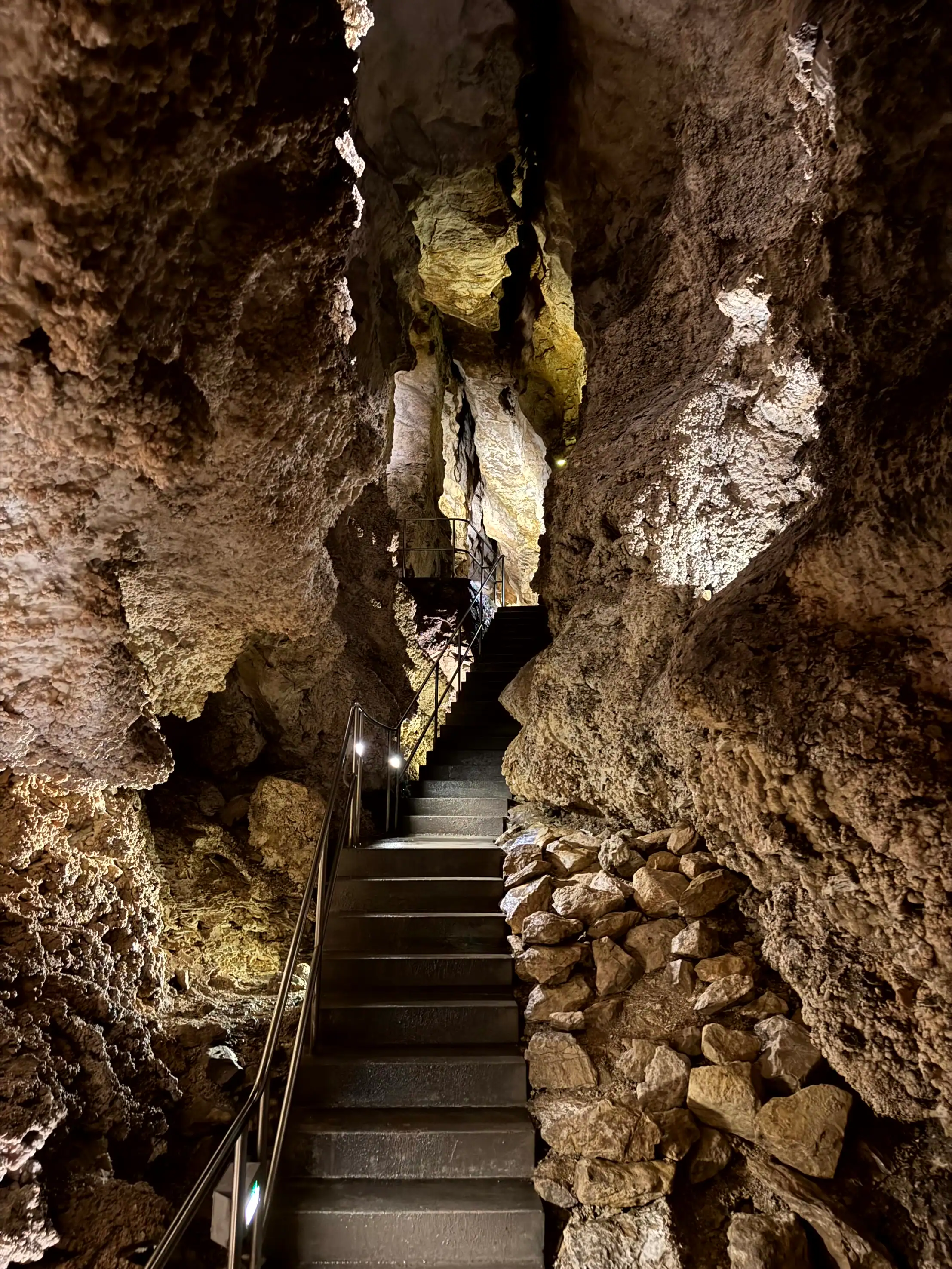
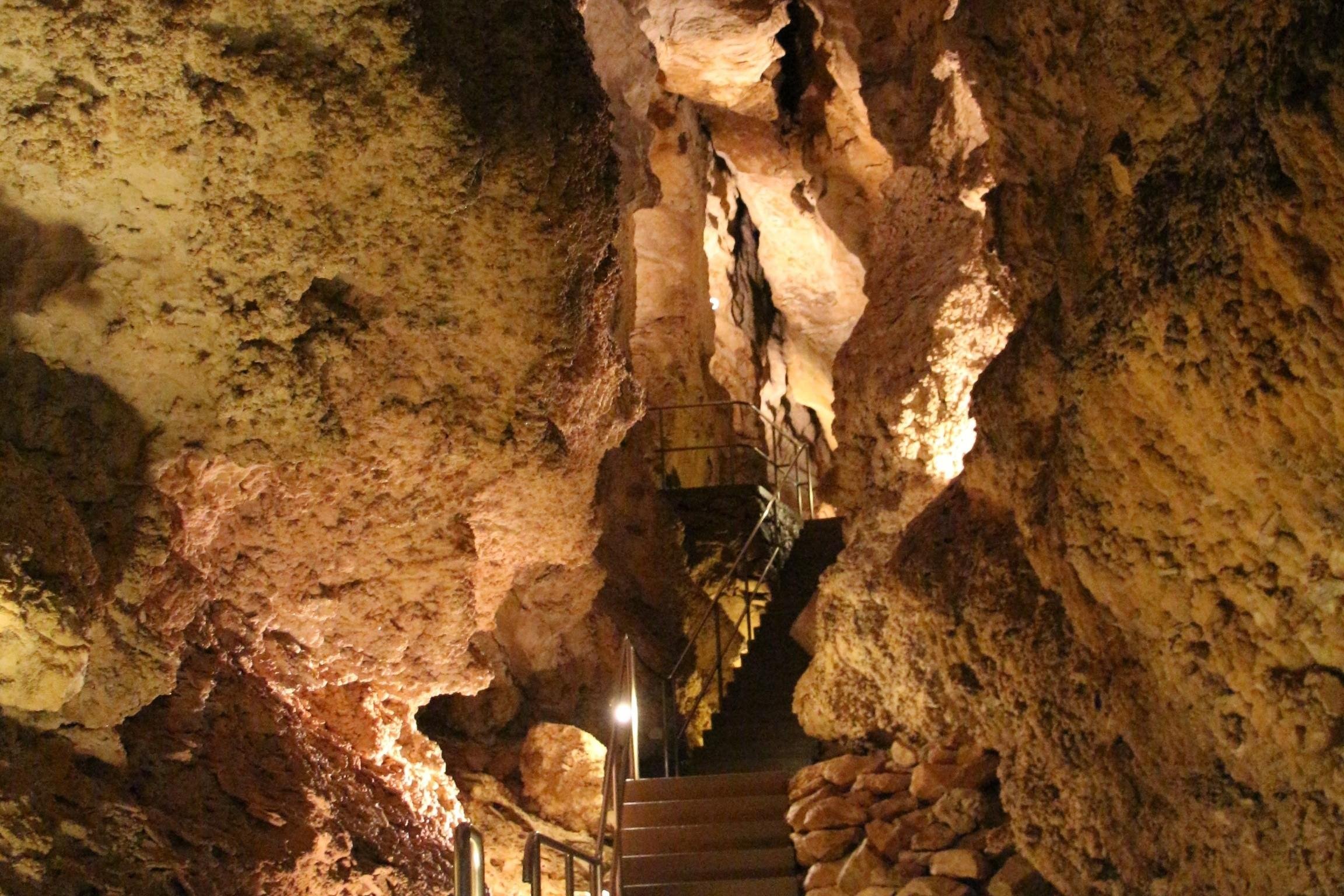
Thermal passages carved by ancient springs, 400 steps below the Buda Hills
Hand-picked by our editors — only the best 5 experiences from 18 reviewed.
Verified partners for every tour, free cancellation where available, and instant confirmation on every booking.
2 hr 30 min
Descend into Budapest's hidden cave system with expert guides from the Hungarian Caving Association
Reserve
3 hr
Crawl through Hungary's most extensive subterranean labyrinth in a thrilling guided expedition
Reserve
2 hr 10 min
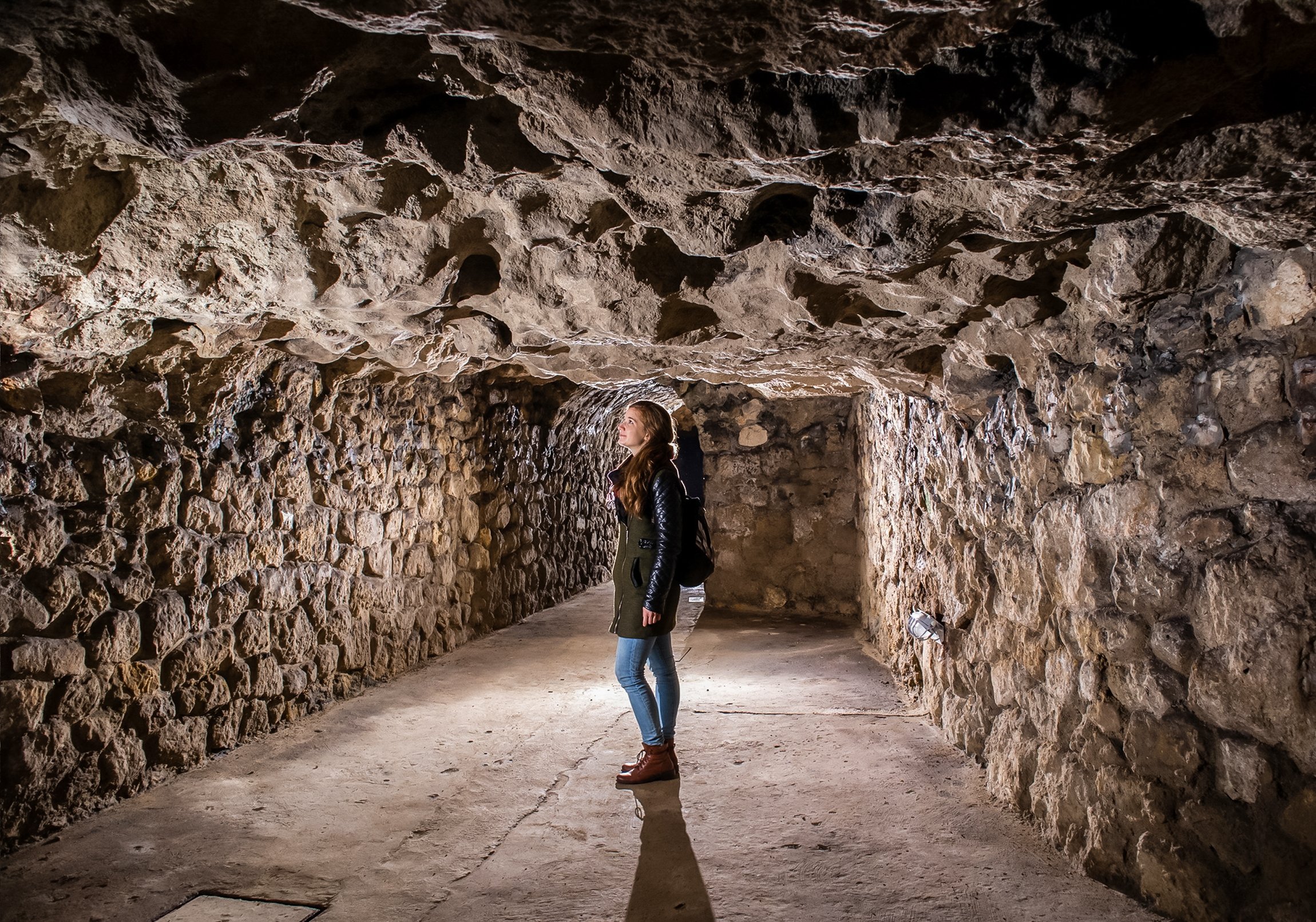
Journey beneath Castle Hill through natural limestone caverns and centuries-old cellars with a live guide
ReservePrices from verified partners. Availability updates in real time at checkout. Free cancellation policies apply where shown.
The landmarks, rooms, and views travelers on this tour remember — all visible on a single visit.
These rare, pea-shaped stone structures are found in the Szemlő-hegyi Cave, showcasing unique geological growth patterns over thousands of years.
The Pál-völgyi Cave is famous for its tall, thin stalactites that adorn the cave ceilings throughout the winding passages.
Known for its excellent acoustics, this chamber in the Pál-völgyi Cave was once used for small underground performances.
Sparkling mineral deposits line the walls of the Szemlő-hegyi system, providing a visual testament to the thermal water history of Budapest.
These sites serve different interests; visitors prioritizing geological discovery select the northern caves, while those exploring local heritage find the Buda Castle system to be the more relevant budapest cave tour tickets tour.
| Feature | Top pick Szemlő-hegyi / Pál-völgyi | Buda Castle Underground |
|---|---|---|
Geology vs. History |
Natural karst features | Human-carved rock cellars |
Natural formations vs. Man-made tunnels |
Stalactites and mineral crystals | Historic wine cellars and labyrinths |
Hiking intensity vs. Walking path |
Requires navigating 400 steps | Standard flat pavement terrain |
Location (Outer Buda vs. Castle District) |
District II (Outer Buda) | District I (Castle District) |
Duration |
Approximately 60 minutes | Approximately 45–60 minutes |
| See tickets → |
Verdict: Opt for these budapest cave tour tickets tours if you seek active exploration of rare mineral formations, whereas the Castle system provides a concentrated look at Budapest landmarks and history.
Choose your ticket, select your date, and reserve in under two minutes. Secure checkout handled by our verified partner.
Instant confirmation by email, with a mobile voucher you can save offline. No printing, no queuing at a collection desk.
Arrive at the entrance, show your voucher on your phone, and walk in. Most tickets include priority or skip-the-line access.
Best time to go, insider tips, nearby landmarks, and the cancellation fine print — flip through to skim what matters to you.
How crowds, weather, and events shift across the year.
The caves offer a cool climate during the hot Budapest summer months. Morning hours provide the most comfortable experience for those booking budapest cave tour tickets.
Small details that turn a good visit into a great one.
Arrive by 15:00 to ensure entry for the last group of the day.
Prioritize grip as floors inside the cave can be slippery.
Secure your budapest cave tour tickets online in advance to confirm your preferred departure slot.
Dress in layers to adjust to the temperature drop underground.
Check if your tour guide provides commentary in your preferred language upon arrival.
Non-bookable sights within a short walk — free to visit, easy to pair.
A large recreational park in the Danube with walking paths and gardens.
Historic site overlooking the city with panoramic views of the Danube.
Flexible, no hidden fees.
Cancellations must be requested according to the specific provider terms linked to your budapest cave tour tickets. Refunds are subject to the 3,900 HUF entrance fee policy set by the site management.
Hand-picked options within walking distance — pick a district for vibe, or a specific hotel for convenience.
Several boutique hotels are situated in the quiet, green hills near the caves.
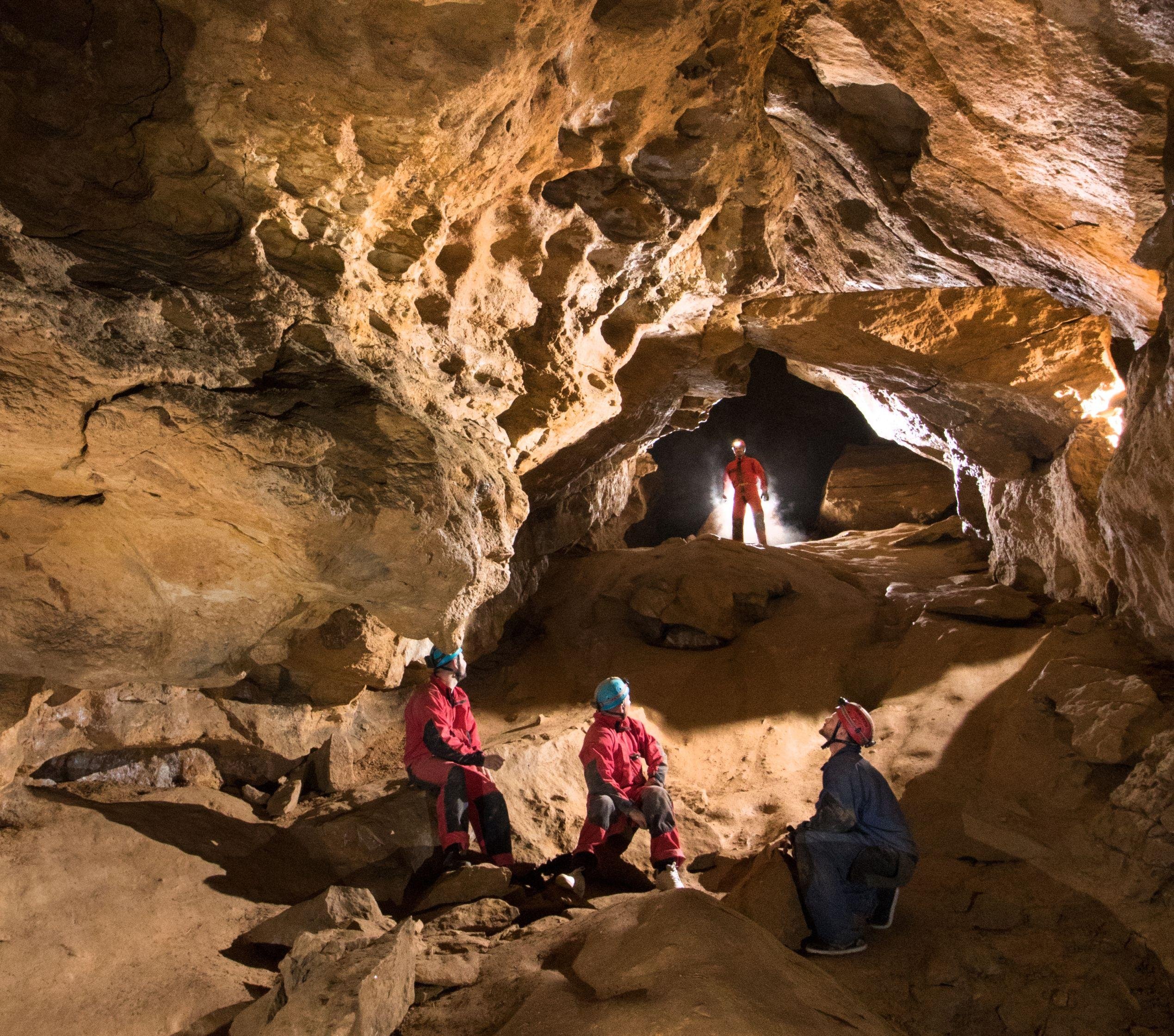
Pál-völgyi Cave holds the longest passage system in Hungary — over six kilometres of corridors carved by thermal water that rose from limestone aquifers two million years ago. The cave was discovered in 1904 when quarry workers broke through a chamber wall, and speleologists have been mapping new branches ever since. Szemlő-hegyi Cave, three kilometres northwest, was found in 1930 during the construction of a rail line; its walls are covered in calcite formations shaped like popcorn, a rare morphology produced when carbon dioxide escaped from warm groundwater under pressure. Both caves sit within the Buda Hills, a ridge of Triassic dolomite and limestone that forms the western boundary of the city. The rock was deposited on the floor of the Tethys Ocean, then uplifted and fractured by tectonic compression. Thermal springs exploited those fractures, dissolving carbonate and leaving behind the voids that visitors walk through today. Szemlő-hegyi is a therapeutic cave; its microclimate — 12°C year-round, 95% humidity, negligible dust — has been used since 1958 to treat respiratory conditions. Pál-völgyi is a show cave, lit and fitted with metal stairways, though sections remain wild and are accessible only to trained cavers. The cave system beneath Budapest is part of a broader karst network that extends across the Pannonian Basin. More than 200 caves have been catalogued within the city limits, most of them closed to the public. Budapest cave tour tickets grant access to two of the few open to civilian visitors, both managed by the Budapest Speleology Society under the oversight of the Duna-Ipoly National Park Directorate. Guided tours depart hourly and last between 45 and 60 minutes, depending on the route and the group's pace. The Pál-völgyi route includes a descent to the lower galleries, where ceiling heights drop to less than two metres and the air is noticeably cooler. Conservation protocols are strict. Group sizes are capped at 25, and visitors are required to stay on marked paths to prevent biofilm disruption. The caves are closed on Mondays to allow sediment monitoring and microclimate stabilisation. Both sites are active research locations; university teams from ELTE and the Hungarian Academy of Sciences conduct annual surveys of speleothem growth rates and groundwater chemistry.
"Thermal water carved these passages over two million years, leaving calcite popcorn and kilometre-long corridors beneath the Buda Hills."
No, the route involves 400 steps and is not suitable for wheelchairs.
Digital versions of your budapest cave tour tickets are usually sufficient, but check your specific confirmation.
Yes, facilities are located at the entrance of both Szemlő-hegyi and Pál-völgyi sites.